Seasonal Bee Activity and When Pest Control Is Most Effective
Understanding seasonal bee activity and when pest control is most effective helps connect you with local contractors who can safely and efficiently manage bee problems during peak times.
Understanding seasonal bee activity and when pest control is most effective can be essential for property owners looking to protect their homes and outdoor spaces. Bees tend to be most active during certain times of the year, which can influence the best approach for managing their presence safely and efficiently. By exploring this topic, property owners can gain practical insights into how seasonal patterns impact bee behavior and when professional pest control services are likely to be most successful in addressing bee-related concerns.
Local contractors who specialize in seasonal bee control are equipped to handle these fluctuations, offering tailored solutions that align with the natural activity cycles of bees. Whether dealing with swarms, hive removals, or preventative measures, understanding the timing can help ensure that interventions are both effective and minimally disruptive. Continuing to read can provide valuable information that helps property owners make informed decisions about when to seek professional assistance for bee management, ultimately supporting healthier outdoor environments.
- Seasonal bee activity and when pest control is most effective can guide homeowners in scheduling treatments before bee swarms become problematic, with local contractors offering timely interventions. During peak bee activity seasons, local service providers can implement targeted removal or exclusion methods to prevent infestations. As bee populations decline after their active periods, pest control efforts tend to be more effective at eliminating remaining colonies and preventing future issues. Local pros assess seasonal patterns to determine the optimal times for safe and efficient bee control services. Contacting experienced contractors during specific times of the year ensures effective management of seasonal bee activity and pest control needs.
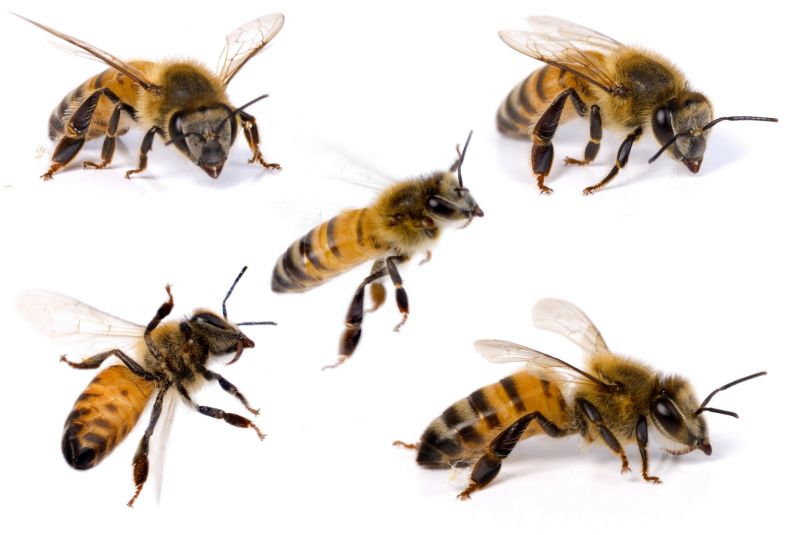
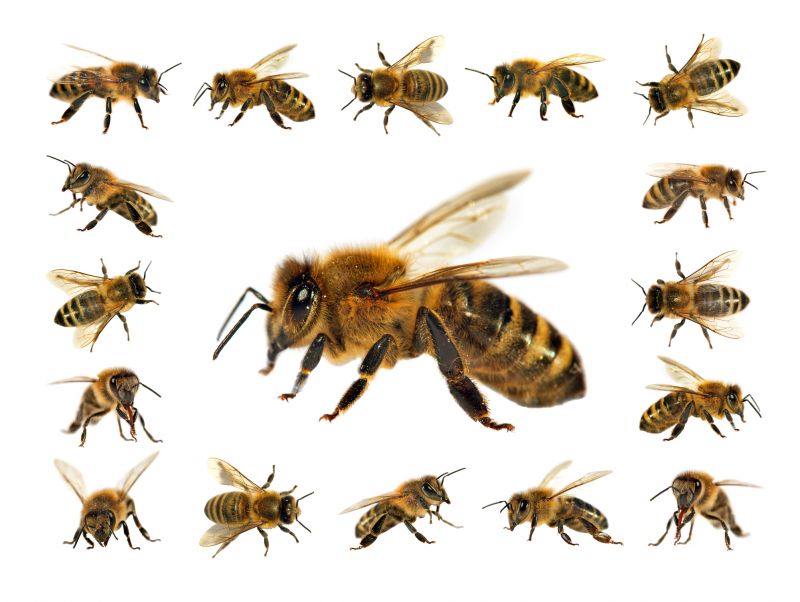
Understanding seasonal bee activity and when pest control is most effective is a common concern for homeowners dealing with bee populations on their properties. Many people search for this topic to determine the best times to address bee issues and prevent potential problems, especially during peak activity periods. Homeowners often want to know if certain seasons pose higher risks of bees establishing nests around their homes or gardens, and they seek guidance on when professional pest control services can provide the most effective results. This information helps plan treatments to minimize bee encounters and avoid damage to property or safety hazards caused by aggressive bee activity.
The topic typically relates to problems such as unwanted bee nests in or around residential properties, garden areas, or commercial sites. Homeowners might be planning to remove or manage bee colonies that have become a nuisance or pose a threat to children, pets, or visitors. It also connects to broader plans of pest prevention, ensuring that bee activity does not escalate into larger infestations that could damage structures or create hazardous conditions. People often consider seasonal pest control as part of their property maintenance routines, aiming to tackle bee issues proactively before they grow more difficult or costly to handle later in the year.
Properties most commonly affected by seasonal bee activity include homes with nearby trees, shrubs, or flowering plants that attract bees for foraging. Roof eaves, soffits, and wall voids are typical nesting sites for certain bee species, especially during warmer months. Commercial buildings with outdoor dining areas or landscaped grounds may also experience increased bee activity seasonally, prompting the need for targeted pest control. Understanding which properties are most susceptible helps homeowners recognize when to seek assistance from local service providers who specialize in seasonal bee control, ensuring that interventions are timed for maximum effectiveness.
Local pros who offer seasonal bee control services understand the importance of timing treatments to coincide with periods of heightened bee activity. They can assess property-specific conditions to recommend the most suitable times for removal or deterrent measures, often aligning with the natural life cycles of bees. By addressing bee problems during their peak seasons, these service providers help prevent colonies from becoming established or expanding, reducing the likelihood of future issues. Connecting with experienced local contractors ensures that bee management is handled safely and efficiently, tailored to the unique needs of each property and season.
Wildlife removal services - these contractors handle the safe removal of bees and other pests, often aligning their schedules with seasonal activity patterns for effective control.
Pest inspection services - specialists conduct thorough evaluations to identify bee activity and determine the optimal timing for pest control treatments based on seasonal trends.
Exclusion and sealing services - local contractors focus on sealing entry points to prevent bee infestations, which is most effective when seasonal activity is low.
Hive removal services - experts specialize in removing active hives during peak or off-peak seasons to ensure safe and effective pest management.
Property maintenance services - these providers can assist with removing debris and potential nesting sites that attract bees during specific seasons.
Landscape and yard cleanup services - professionals clear brush and overgrowth that may harbor bees, particularly during high activity periods for better pest control outcomes.
When comparing local contractors for seasonal bee activity and pest control, it is important to consider their experience with similar projects. Service providers who have handled seasonal bee control in various settings are more likely to understand the nuances of bee behavior throughout different times of the year. An experienced contractor can offer insights into the most effective times for pest control, ensuring treatments are applied when they will be most impactful. Additionally, a contractor’s familiarity with seasonal patterns can help prevent issues from recurring, saving time and effort in the long run.
Clear written expectations are essential when evaluating potential service providers. Homeowners should seek contractors who provide detailed descriptions of their pest control methods, including what areas will be treated and what to expect during and after the service. This transparency helps ensure that both parties are aligned on the scope of work and can reduce misunderstandings. Knowing what procedures will be used and how they align with seasonal bee activity can also assist in planning treatments at the most appropriate times, maximizing their effectiveness.
Reputable references and strong communication are key indicators of a dependable contractor. When considering local service providers, it’s helpful to ask for references from previous clients who had similar seasonal bee control needs. This feedback can offer valuable insights into the contractor’s reliability and the quality of their work. Good communication throughout the process ensures that homeowners are informed about the timing of treatments, what to expect, and any necessary follow-up actions. Choosing a contractor who values clear, ongoing communication can lead to a more seamless experience and better results in managing seasonal bee activity with pest control solutions.
Property owners often search for seasonal bee activity and when pest control is most effective when they are planning practical projects around their homes and businesses. Local pros provide Seasonal Bee Control services for everyday jobs and straightforward project options.

Understanding seasonal bee activity can help property owners recognize when bees are most active around their homes and outdoor spaces. During warmer months, bee populations tend to increase, leading to higher chances of encountering nests or swarms on rooftops, eaves, or in trees. This heightened activity often prompts property owners to seek out seasonal bee control services, especially if bees are nesting in areas that pose a risk to people or pets. Local contractors experienced in bee management can provide effective solutions to safely remove or relocate bees during these peak times, ensuring safety and peace of mind.
Timing is a key factor when considering pest control for bees, as certain periods are more suitable for treatment or removal. Typically, late spring through early fall sees the most bee activity, making it the ideal window for professional intervention. Property owners might look into seasonal bee control services when they notice increased bee presence or suspect a hive forming nearby. Local service providers can assess the situation and recommend the most appropriate methods to handle bee activity during these active months, helping to prevent infestations from becoming larger or more problematic later in the year.
When is seasonal bee activity highest? Seasonal bee activity tends to peak during warmer months when bees are most active in foraging and hive-building, making pest control more effective during these times.
Why is timing important for bee pest control? Timing pest control efforts to coincide with peak bee activity ensures that treatments target the hive when bees are most active, increasing the likelihood of successful removal by local contractors.
Are there specific seasons when bee infestations are more common? Bee infestations are more common in spring and summer when colonies expand and forage, which is also when pest control from local service providers can be most effective.
How do seasonal changes affect bee behavior and pest control strategies? Seasonal changes influence bee behavior, with increased activity in warmer months, prompting local contractors to schedule treatments during these periods for optimal results.
Can pest control be performed safely during active bee seasons? Yes, local pros are experienced in timing treatments to minimize impact on bee activity while effectively managing pest issues during active seasons.
Timing pest control efforts - property owners can plan pest control treatments during peak seasonal bee activity to reduce hive growth and minimize bee-related issues.
Monitoring hive locations - identifying and inspecting areas with high bee activity helps determine the best times for effective pest control from local contractors.
Preventative measures - implementing early-season barriers and exclusion strategies can prevent bees from establishing nests during active periods.
Understanding seasonal patterns - recognizing when bee activity is most intense allows property owners to schedule inspections and treatments with local service providers effectively.
If you are thinking about seasonal bee activity and when pest control is most effective for a property, this guide is meant to help you understand this topic, the typical project types, and how different options might fit your plans.
When you are ready, you can use the quote form on this page to share a few details about your project. From there, local pros can review the basics and follow up with options that match what you have in mind.